Common Storage Questions: What You Need to Know Before Renting
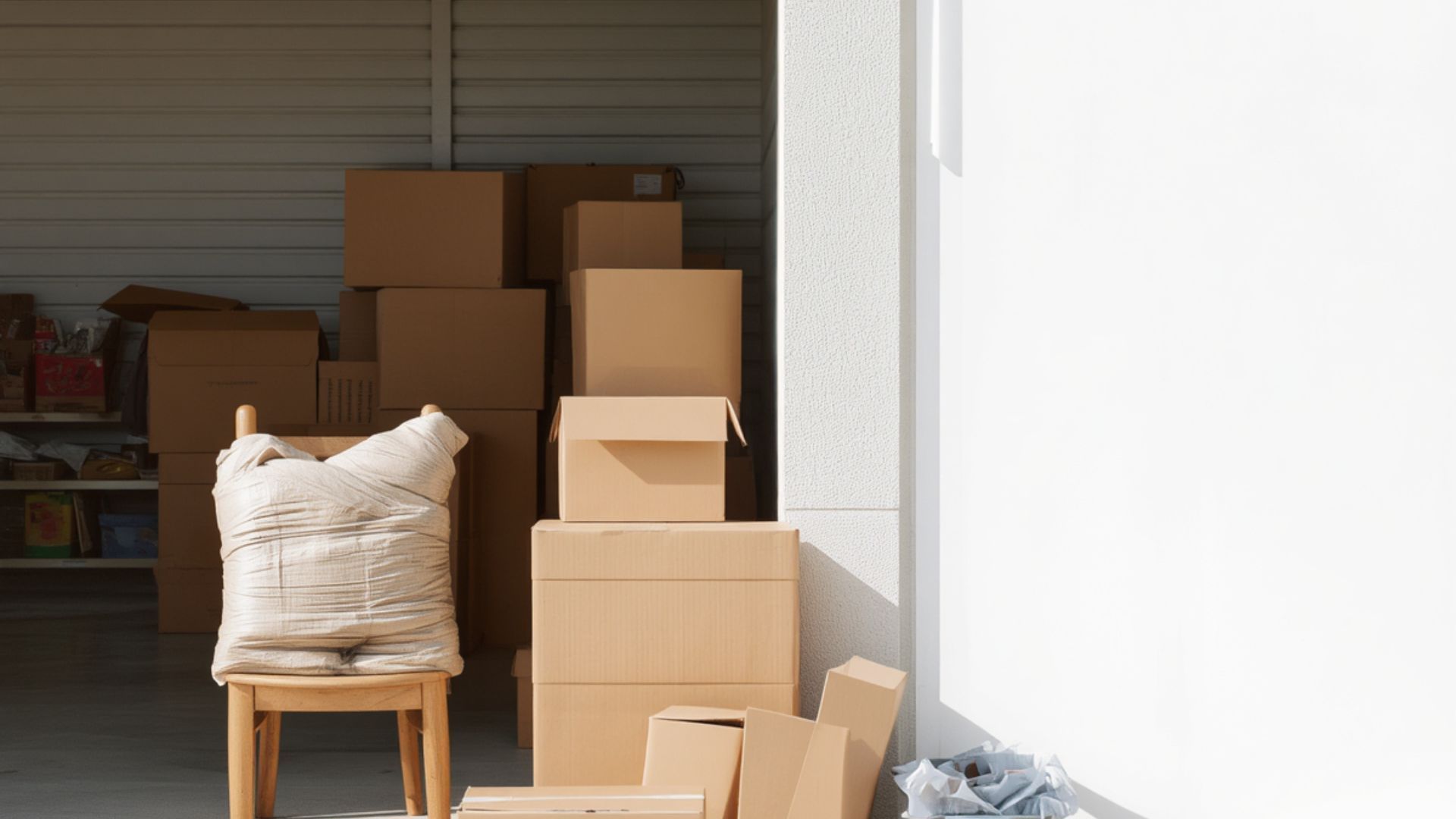
Most people think renting storage is straightforward until they start planning what actually goes where. How much space do you need for your furniture? What items work best in storage? How often will you need to access your belongings? Getting these details sorted upfront helps you choose the right storage type and avoid any surprises.
People who end up happy with their storage choice ask the right questions before they sign anything. What works for your neighbor might not be great for you, depending on what you’re storing, how often you need access and whether it will temporary or long-term.
Understanding Self Storage
Self storage units are the most common type of storage that people choose when they need extra space. These units function like renting a personal garage or closet – you get your own secure space, store your belongings, and access them when needed. Understanding the key details helps you pick the right unit for your situation.
Different facilities offer various unit sizes, security features, and access options to meet different customer needs. Some focus on convenience with extended hours, while others emphasize security or climate control. Knowing what matters most for your specific storage needs helps you choose the right facility and unit type.
How much does self storage cost?
Unit size makes the biggest difference in what you’ll pay each month. Small units like 5×5 cost way less than large ones like 10×20. Temperature-controlled units run more than regular ones, but they protect items that heat and cold can damage.
Most facilities charge a deposit or admin fee when you sign up to get started. Some locations offer padlocks while others have you purchase your own. Facilities closer to main roads or downtown usually cost more than ones in quieter areas.
What size storage unit do I need?
A 5×5 fits what you’d keep in a walk-in closet – clothes, small chairs, boxes from one room. One-bedroom apartments usually need a 10×10 if you stack boxes high and pack smart. Big houses with three bedrooms need 10×20 units, sometimes larger.
Couches and beds can take up floor space fast. Stand mattresses up against the wall instead of laying them flat. Put chairs on top of tables. Measure your biggest furniture before you pick a size to avoid any space issues.
Do I need temperature-controlled storage?
Electronics, wooden furniture, old photos, and important papers don’t like getting really hot or cold conditions. Temperature-controlled units stay comfortable year-round, kind of like keeping things in your house instead of your garage.
Regular clothes, books, and metal items handle weather changes just fine in standard units. Go with temperature control if you’re storing things of value or have sentimental value you can’t put a price on.
How secure is my storage unit?
Storage facilities use various security measures to keep your belongings safe. This typically includes fencing around the property and controlled gate access. Many facilities have staff on-site during business hours and change access codes regularly.
Make sure to check if your home insurance covers items in storage, or ask about storage insurance when you rent.
What can’t I store in my unit?
Facilities don’t allow dangerous items like gasoline, paint, or cleaning chemicals because of fire risk. No food that goes bad, no plants, no pets. Each facility has a list of what’s not allowed – just ask when you’re looking around.
Most regular household items work fine for storage. Furniture, clothes, electronics, sports equipment, holiday decorations. If you’re not sure about something specific, call and ask before you bring it over.
Can I access my unit anytime?
Some facilities offer 24/7 access with a gate code. Others close at night or are only open during business hours. Ask about access when you’re shopping around if you work non-standard hours or need to get items on weekends. Most facilities try to work with what customers need.
How Portable Storage Works
Portable units are a bit different from regular storage units. Instead of you driving to a storage place, the container is brought directly to you. Once delivered you can load it up in your driveway over a few days or weeks, then have it hauled back to a secure facility or left on your property. When you need your belongs again , they will deliver the unit where ever you would like.
This setup works great for moves, home renovations, or when you just can’t keep making trips to a storage facility. The containers come in different sizes, and you need to think about where they’re going to sit at your house or be stored remotely. Some neighborhoods or HOAs have rules about keeping these things in driveways or on streets.
How does portable storage delivery work?
Portable storage delivery brings a container directly to your location using a specialized truck designed to place it precisely where you need it. Companies schedule delivery at your convenience, and the driver works with you to position the container in the best spot on your property.
The delivery truck requires a flat, solid surface for safe placement – driveways and level ground work perfectly. Before your scheduled delivery, check for overhead obstacles like tree branches and ensure the truck has adequate space to maneuver. Experienced drivers can navigate most residential properties and will help you choose the ideal placement for easy loading access.
What’s size portable containers are available?
The 12-foot unit holds about as much as you would fit in a large bedroom – perfect for apartments or storing seasonal items. The 16-foot fits most one-bedroom apartments or gives you extra room for bigger moves. The 20-footer handles two-bedroom apartments or works as overflow for large houses.
All the containers are 8 feet wide and 8 feet tall inside. You can stack boxes pretty high if you pack carefully. Think about what you’re putting in there when you pick a size.
Can I keep the container at my house?
Most neighborhoods let you keep containers in your driveway for a few weeks or a month. The containers have small wheels that won’t scratch up your driveway like heavy equipment might. If you need it longer, we can take it back to our facility and bring it when you’re ready.
Some HOAs or cities have rules about keeping containers around, so check if you’re concerned about it. Most people don’t have problems, but better to know upfront.
How long can I rent a portable unit?
You rent month-to-month – no getting stuck in long contracts. Most folks use them for 1-3 months while they’re moving or renovating their house. Keep it at your location when you need it, at our facility when you don’t.
The first month covers delivery, storage, and pickup. Extra months cost less. Plans change all the time – just give us a call if you need it longer or want it picked up early.
Records & Information Management
Record storage handles business documents and important papers that need special protection. This isn’t just throwing file boxes into a regular storage unit – it’s professional document management with cataloging, climate control, and retrieval services. The Archive uses Firelock vaults that protect against fire, flood, and unauthorized access way better than standard storage.
Most people don’t have a need for record storage for personal items, but businesses dealing with legal documents, medical records, or financial papers often have to keep things for years. Getting documents back when you need them involves calling ahead and having them delivered, rather than showing up with keys like regular storage.
What’s the difference between record storage and regular storage?
Record storage handles business papers and important documents with special protection. The Archive uses Firelock vaults that guard against fire and water way better than regular storage units. We catalog every box and document so we know exactly what you have and where it’s located.
Regular storage works for household items, but business records need different handling. We take care of getting your files when you need them – you call, we find them, and deliver them to your office. No digging through boxes in a storage unit.
What types of businesses use record storage?
Lawyers store case files and contracts they need to keep for years but don’t look at every day. Doctors keep patient records and X-rays because they have to by law. Accountants store tax papers and client files that pile up over time.
Insurance companies, real estate offices, and businesses dealing with lots of paperwork use record storage when their offices get too crowded. Even small businesses like it for employee files and financial records they can’t throw away but don’t want cluttering up their workspace.
How do I access stored records?
Call or email us when you need files back. Tell us what you’re looking for – specific documents, whole boxes, or papers from certain dates. We track everything in our system, so finding your items happens fast.
We deliver all around Berkshire County and the Capital Region. If you need files regularly, we can set up a schedule that works for you. Sometimes we can scan documents and email them instead of driving them over.
Making the Right Choice
Asking the right questions before you rent storage saves you from surprises later. Don’t just focus on price – think about access, security, and whether the storage type actually matches what you need to do. Visit facilities in person if you can, and make sure you understand exactly what you’re getting before you sign up.
Ready to find the right storage for your needs? Greylock Storage offers self storage, portable Go Mini’s containers, and professional record storage across our Pittsfield, Adams, Schenectady, and Glens Falls locations. Contact us today to discuss your storage requirements and find the perfect fit for your situation.