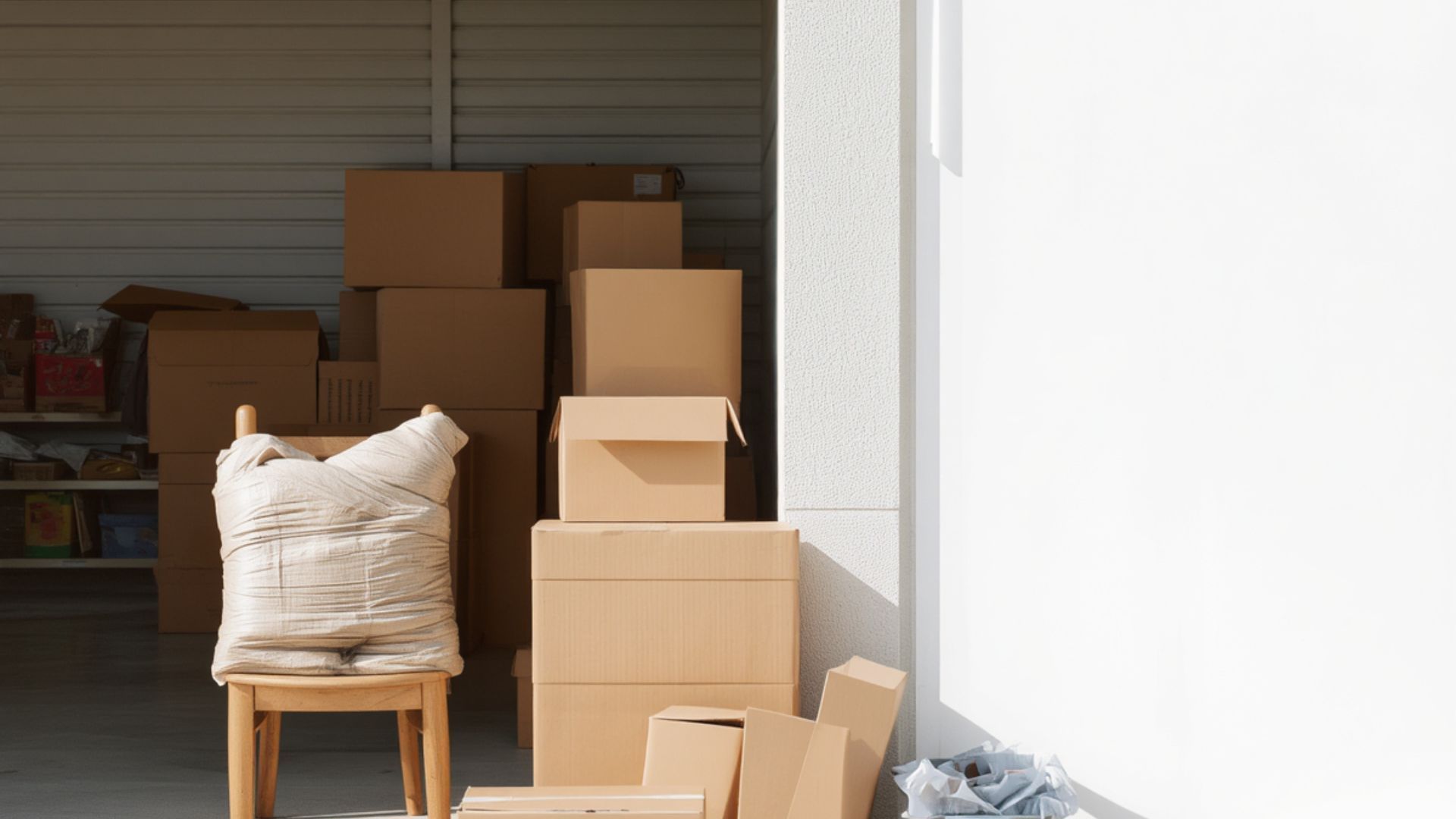
The Art of Packing: Pro Tips for Efficient and Safe Storage
Plan Ahead
Start with a Plan: Create a comprehensive inventory of all items you plan to store. Categorize them based on fragility, value, frequency of use, and size. Delicate or valuable items like artwork, antiques, and electronics should be prioritized for extra protection. Frequently used items can be packed for easy access. Larger furniture and appliances may require specialized packing materials or disassembly. Having a clear plan will help you determine the right supplies and storage solutions needed.
Gather Supplies
Gather the Right Supplies: Use sturdy plastic bins or double-walled cardboard boxes to prevent crushing. Opt for new boxes rather than used ones to avoid potential contamination or pests. Purchase plenty of packing paper, bubble wrap, packing peanuts, and foam sheets for cushioning fragile items. Invest in a high-quality packing tape dispenser and permanent markers for labeling. Wardrobe boxes with built-in bars are ideal for hanging clothes, while dish-pack inserts and specialized boxes protect delicate china and glassware.
Organize and Sort
Sort and Categorize: Group items logically by room, type, or purpose. For example, keep all kitchen items together, sorted into categories like cookware, dishes, and small appliances. This system makes packing and unpacking more efficient. It also helps locate specific items without digging through multiple boxes.
Pack Room by Room
Work methodically through each room, packing one area at a time. Start with larger pieces like furniture, appliances, or bulky decor items. Disassemble items when possible to make them more compact and easier to wrap. Then move on to smaller objects, filling boxes strategically by weight distribution.
Protect Your Belongings
Wrap and Protect: Use clean packing paper or bubble wrap to individually wrap all fragile items like glassware, mirrors, lamps, and electronics. Place an extra layer of cushioning between each piece. For valuable artwork or antiques, consider using acid-free archival tissue paper. Electronics should be wrapped in anti-static bubble wrap or bags to prevent static discharge damage.
Labeling and Identification
Label Clearly: Create a simple labeling system with abbreviations or numbers for each room. Clearly mark the contents on the top and sides of every box using permanent markers. Add handling instructions like “Fragile” or “This Side Up” when needed. Use colored labels or markers to further identify priority boxes. Make a cross-reference list detailing the contents of each labeled box.
Packing Techniques
Pack Strategically: Distribute weight evenly by placing heavier items on the bottom, creating a sturdy base. Fill any empty spaces with packing materials to prevent shifting and damage during moves. For extra protection, create a layer of cushioning between the contents and lid before sealing. Don’t exceed the maximum weight capacity for boxes.
Storage Considerations
Consider Temperature Control: Extreme temperatures and humidity levels can cause serious damage to many household items during long-term storage. Invest in a temperature-controlled storage unit to safeguard delicate materials like wood, leather, instruments, electronics, photos, and important documents from warping, mildew, or corrosion.
Furniture Handling
Disassemble Furniture: Large furniture should be disassembled when possible to make it easier to move and store compactly. Wrap and pad all components individually. Clearly label each disassembled piece and hardware using a numbering system. Keep all parts together in plastic storage bins.
Documentation
Photograph and Inventory: Before packing up your belongings, take the time to thoroughly photograph and document valuable or irreplaceable items for insurance purposes. Use a high-quality camera or smartphone to capture clear, well-lit photos of these pieces from multiple angles. For items like antiques, artwork, collectibles or jewelry, you may want to hire a professional appraiser to assess the value and provide documentation.
In addition to photographic evidence, create a detailed inventory list with thorough descriptions of each item including make, model, serial number, dimensions, materials, age and appraised value if available. Note any existing scratches, dents or signs of wear and tear to document the pre-move condition. Keep purchase receipts or appraisal paperwork organized together.
Having comprehensive photo and inventory documentation prepared ahead of time will be invaluable if you need to file an insurance claim for damages that occur during transit or storage. The visual records can clearly show an item’s original condition, while the detailed inventory provides proof of ownership and value. Proper documentation ensures you have evidence to support your claim and hopefully recover the full insured amount for precious belongings if anything is lost, stolen or irreparably damaged.
Essentials Box
Pack a “First Open” Box: Having immediate access to a few basic essentials can provide much-needed convenience after arrival. Designate a special box or bag for necessities like toiletries, sanitizers, paper towels, snacks, basic kitchen utensils, device chargers, tools to assemble furniture and fresh linens.
Handling and Transportation
Handle with Care: Proper handling and safe lifting techniques are crucial to prevent injury and damage during the moving process. Always bend at the knees, keep loads close to the body, and lift with your legs – not your back. For heavy or bulky objects, get assistance or use mechanical aids like dollies.
If working in a team, discuss the plan beforehand. Assign a leader to coordinate and provide clear lift instructions using agreed-upon phrases. Use proper moving equipment like dollies, straps to secure loads, and sliders for heavy furniture.
Be very cautious on staircases – go slowly one step at a time with the load level. Mark “ FRAGILE ” boxes and use “ THIS SIDE UP ” labels. Pack safety gear like gloves, knee pads, and back braces and have a first-aid kit. Stay hydrated and take breaks.
For very large, heavy or delicate items, consider hiring professional movers with training and specialized equipment. Never compromise safety by rushing or attempting objects beyond your capabilities.
Final Thoughts
Remember, packing and storage are not just about throwing items into boxes; they’re about protecting your possessions and ensuring a smooth transition or decluttering process. By following these pro tips, you’ll not only streamline the packing experience but also have peace of mind knowing your belongings are well-preserved and easily accessible when needed.
Ready to put these packing tips into action? Contact Greylock Storage today to find the perfect storage solution for your needs. Whether you’re looking for self-storage units, portable storage with Go-Mini’s, or secure record storage, we have options to fit every situation. Don’t let the stress of packing overwhelm you – let us help you store your belongings safely and efficiently. Visit our website or call us now to get started!