Essential Tips for First-Time Storage Unit Renters

Brick House • December 13, 2023

Renting a storage unit for the first time? It can seem confusing trying to figure everything out. But with some key tips, you can avoid headaches down the road.

As life gets busier, more people are renting storage units to securely hold their extra possessions. In fact, over 11% of households nationwide currently rent a storage unit. With demand rising for additional space, new renters need to know the best practices. This includes properly assessing your storage needs, choosing a reputable storage facility, and clearly understanding rental agreements. You’ll also get key packing tips to safely organize belongings.

By following essential guidance for first-timers, you can effectively store extra items without issues down the road. Making informed decisions upfront ensures your first rental experience goes smooth. Follow these tips to confidently store your stuff!

Assessing Your Storage Needs

The first step for renting a storage unit is evaluating what you plan to store. Take an inventory of the types of items and approximate quantity. Common belongings placed in storage can include:

  • Furniture – couches, beds, tables, desks that don’t fit in your current living space.
  • Home appliances and electronics – washer/dryer units, televisions, computers and other electronics without room at home.
  • Recreational items – camping gear, bicycles, sports equipment used occasionally.
  • Clothing and textiles – out-of-season clothes, linens, pillows not needed year-round.
  • Kitchenware and decor – dishes, small appliances, knick-knacks not regularly used.
  • Files and paperwork – documents, photo albums, books for safe keeping.

With your inventory list, estimate the physical size needed to fit everything. Storage units typically come in these sizes:

  • 5×5 to 5×10 (small – fit 1-2 rooms of items)
  • 10×10 to 10×15 (medium – fit 3-4 room contents)
  • 10×20 to larger (large – fit entire home contents)

Match the storage room dimensions to your inventory. Leave some spare room for future items or easier access. You can always size up later if you need more space.

Also plan for any seasonal or upcoming belongings to store like holiday decorations, sports gear, or extra furniture. Accurately assessing what you will need to store now and in the coming months allows renting an appropriately sized unit the first time. Underestimating leads to cramped spaces or upgrading costs down the road.

Choosing the Right Storage Facility

Once you have determined your storage requirements, research facilities in your local area, considering important aspects like convenient location, cleanliness, and responsive management. Evaluate security measures like gated access, video monitoring, and site lighting to safeguard your belongings. Facilities with 24/7 accessibility also allow flexible retrieval during vacations or moves.

Additionally, read customer reviews for transparent feedback on real renters’ experiences with factors like pest control and facility maintenance at various sites. You can inquire with storage centers directly as well regarding temperture-controlled units or required notifications for accessing units after-hours. Taking time to carefully select a storage provider known for reliability avoids frustrations down the road.

Understanding Rental Agreements and Costs

When selecting a self storage facility like Greylock Storage, clarify all rental terms, costs, and billing practices upfront. Managers should provide detailed agreement documents for your careful review before signing. Key points to understand include monthly rates, additional charges like insurance fees, and payment due dates.

Greylock has served many happy customers over the years and has a great reputation for transparent agreements without surprise costs. Take time to fully comprehend the rental and financial policies to properly budget for your long-term storage needs. Asking questions ensures you know what to expect for worry-free renting!

Organizing and Packing Tips

Carefully organizing and packing items destined for storage preserves their condition and enables efficiently maximizing space. Useful guidance includes:

  • Obtain sturdy storage boxes, bubble wrap, labels and tape for safe transportation. Using uniform box sizes allows neatly stacking within the unit.
  • Clearly identify contents on each sealed box for quick searching later. Numbering boxes also helps indicate total quantities.
  • Create an inventory list detailing contents of each box and assigned numbers. Retain this tracking log for handy reference accessing items later.
  • Position most frequently needed possessions toward the storage unit entrance for simpler access. This includes seasonal clothing/decor changed out annually.
  • Transport items in a systematic order based on planned storage arrangement. This smoothes unloading into the unit and later reloading for moves.

Investing appropriate time into thoughtfully packing and documenting stored goods reduces accidental damage risks and retrieval headaches down the road. Keeping items organized from the start makes visits effortless.

Maximizing Space in Your Storage Unit

Carefully arranging possessions inside your storage unit optimizes the available room. Useful space-saving techniques include disassembling bulky furniture where possible to take up less floor space. Also, systematically organize similar categories of items together. Place commonly accessed goods toward the unit entrance for easier retrieval. And leave ample pathways between neatly stacked contents.

Creative storage layouts and strategic furniture disassembly enables fitting maximum contents within the rented dimensions. Maintain tidy organization so items don’t get buried behind other possessions. Periodically check in on the arrangement as retrieval needs evolve over time.

With some planning, you can overcome small storage spaces and still neatly fit all necessary belongings. Making the most of what you have ensures nothing gets left behind.

Protecting Your Belongings

Protecting your cherished belongings starts with choosing secure, reliable storage facilities like those offered by Greylock Storage. Our locations utilize robust security measures to keep your items safe from unauthorized access or theft.

We also recommend all renters furnish their own sturdy padlocks to secure individual storage units. Additionally, exercise discretion by only sharing access codes or spare keys when absolutely essential and with trusted individuals. Promptly report to our staff any noticed security concerns or unreturned unit keys needing addressed.

With Greylock’s diligent safeguarding and sensible user precautions, stored goods remain protected in our facilities, providing reliable peace of mind. Our team works hard to supply secure storage suited to properly securing your extra possessions during storage.

Regular Checkups on Your Storage Unit

Even the most organized storage units should be checked periodically. Inspect your contents every 2-3 months looking for water damage, pests, mold or other risks. Verify temperature control settings remain appropriate, especially for protecting valued items.

Closely inspect boxes and furnishings for insects or rodents. Report any worrisome findings immediately to facility staff for quick resolution. You may unfortunately need to transfer items into new pest-free containers if infestations begin. Don’t let possessions vanish from sight – regular maintenance checks provide priceless peace of mind.

Final Thoughts

Renting a storage unit goes more smoothly when first-timers properly prepare. Key guidance includes realistically assessing space requirements, researching to select secure facilities, and clearly understanding rental terms. Also crucial – take time packing systematically and implementing protections like sturdy storage containers and strict unit access.

Regular maintenance checks further safeguard cherished possessions over the long-term. If questions ever arise, the Greylock Storage team happily assists new tenants every step. With quality facilities located in Massachusetts and New York, visit one of our locations to discuss your storage needs and view available options that meet your situation. Putting these essential tips into action sets up first-time renters for storage success!

June 29, 2026
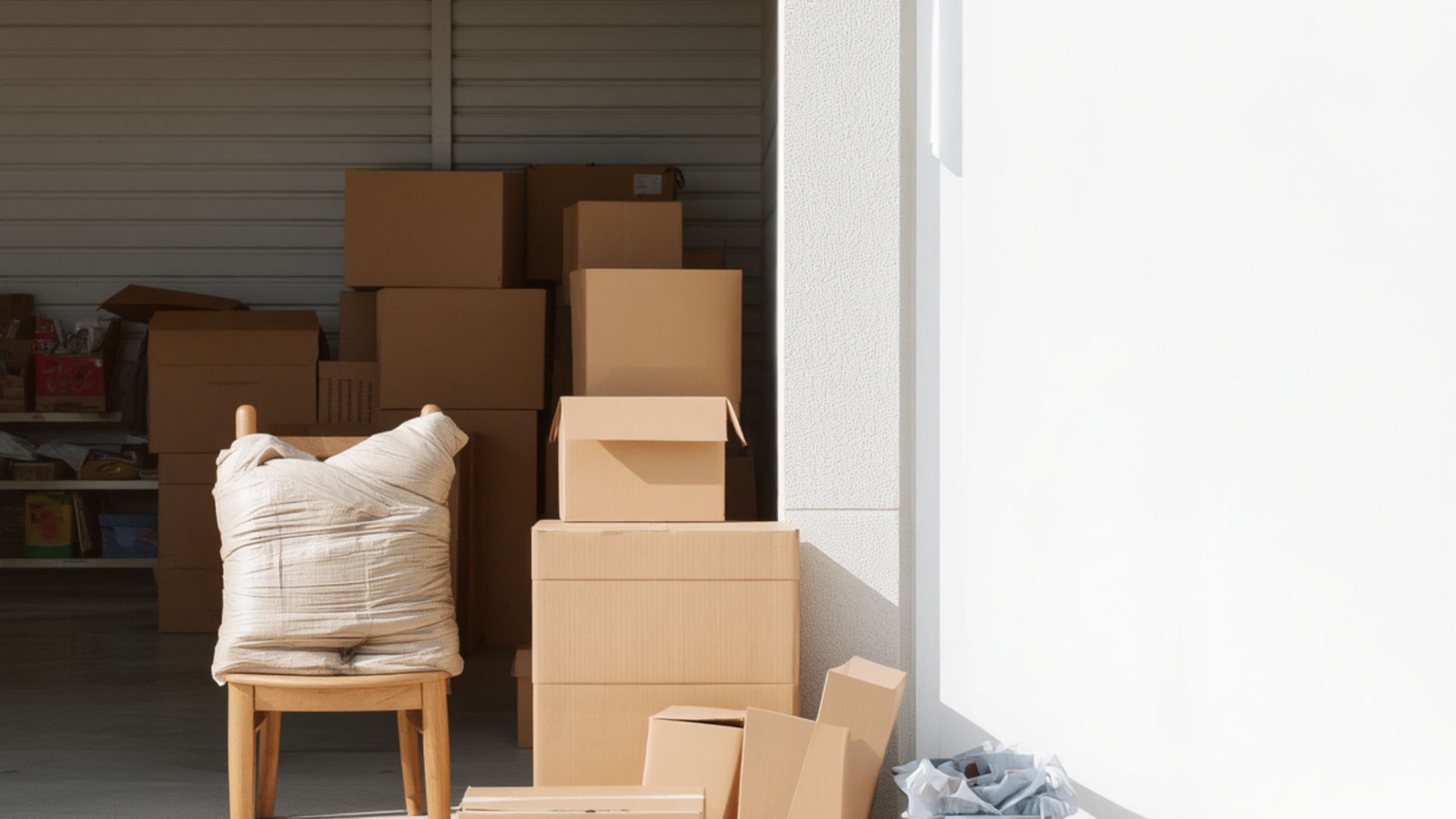
A lot of storage decisions start the same way: you have boxes in one room, furniture in another, and a pretty good guess that you need more space, but not a clear answer on what kind of unit will make the move easier. Here at our Glens Falls location on Broad Street, the choice we often talk through is simple: do you want the easy loading of drive-up storage, or do you need the extra protection of a heated indoor unit? Both can be the right answer. It depends on what you are storing, how often you need to get to it, and how you want move-in day to feel. Start With What You Are Actually Storing Usually, what we would tell you is this: do not choose the unit first. Start with the items. If you are storing sturdy household goods, garage items, tools, totes, outdoor gear, or furniture that you can wrap and stack well, drive-up storage may be the more practical fit. You can pull up, unload, and avoid carrying everything down a hallway. If you are storing items that you would rather keep indoors and away from bigger temperature swings, one of our heated units may make more sense. We see people think about heated storage for things like wood furniture, boxes of personal records, electronics, photos, and other belongings they simply feel better keeping inside. That does not mean every item needs heated storage. It means the more sensitive the item is, the more you should slow down and think about where it belongs. Drive-Up Storage Is About Loading Without the Extra Hauling Short answer: choose drive-up storage when convenience during loading matters most. A question we get a lot is, “Can I just pull right up?” For drive-up units, that is the whole point. If you are moving heavier pieces, making several trips, or trying to get in and out without turning the day into a workout, drive-up access can make a big difference. At our Glens Falls store, drive-up sizes listed in the unit mix include options such as 10x10, 10x15, 8x16, and 10x20. Availability changes, so we would always rather have you check the current options before planning around one specific size. Still, those larger drive-up-style spaces are often the ones people consider when they are storing furniture, seasonal equipment, business overflow, or a bigger household load. One little owner tip: think about your heaviest item first. If the couch, tool chest, shelving, or appliance is going to be the hardest thing to move, choose the storage setup around that item instead of around the smallest boxes. Heated Storage Is About Being More Careful With What Matters Usually, heated storage is the better conversation when the question is not “How fast can I unload?” but “How do I want these items stored while they are with us?” Our Glens Falls unit mix includes heated indoor options such as 5x5, 5x10, 4x10, 7x10, 5x15, 10x10, and 10x15. Some renters use those smaller indoor spaces for boxes, keepsakes, office overflow, or belongings they want separated from the garage-style storage pile. Others use the larger heated options when they have furniture or household items they want to keep indoors. We do not want to overcomplicate it. If the item would bother you sitting in a cold garage or shed for a season, heated storage is worth considering. If it is rugged, already packed in sturdy totes, and easy to replace, drive-up storage may be just fine. The best choice is not always the biggest unit. It is the unit that fits the items and the way you plan to use the space. Think About How Often You Will Visit the Unit Here is another practical question we ask: will you need to get back into the unit often? If you are storing things you may grab throughout the month — tools, inventory, seasonal supplies, sports gear, or business materials — drive-up access can be easier. You can stop in, load what you need, and move on with your day. If you are storing items for a longer stretch and do not expect to visit much, heated indoor storage can be a better fit for peace of mind. You may spend a little more time loading at move-in, but that may be worth it if the items are more sensitive or personal. A simple trick: make two piles before you rent. One pile is “I may need this soon.” The other is “I just need this stored safely out of the way.” That split usually makes the drive-up versus heated decision much easier. Use Size as the Second Decision, Not the First Once you know the type of storage that fits, then it is time to think about size. Our storage size guide can help you compare common unit sizes, but we also recommend making your own quick list. Count the big pieces first, then estimate how many boxes or totes you have. A 5x5 is a very different experience from a 10x15, and guessing too small can make move-in frustrating fast. If you are between two sizes, think about walking space. People sometimes fill a unit perfectly on paper and then realize they cannot reach the box they need later. Leaving a small aisle or keeping important items near the front can save a lot of digging. If you are not sure, look at the current options on our Glens Falls storage page , or call us before you rent. We can talk through what you are storing and help you avoid choosing a unit that is too tight or more than you need. How We Help You Make the Call You do not have to know the exact answer before you reach out. Tell us what you are storing, whether you care more about quick loading or an indoor heated space, and how often you expect to visit. We will help you narrow it down from there. If you already know you want Glens Falls storage near Broad Street, you can rent online, check current unit options, or contact our team , and we will walk you through it. Storage should make the move easier, not add another decision you have to wrestle with. Questions We Get About Choosing Storage in Glens Falls Is drive-up storage better than heated storage? Not always. Drive-up storage is usually better when loading convenience matters most. Heated storage is usually better when the items are more sensitive or personal. If you are storing rugged items and making frequent trips, drive-up may be easier. If you are storing furniture, records, keepsakes, or items you want indoors, heated storage may be the better fit. What size should I choose if I am storing furniture? Start with the largest pieces first: couches, mattresses, tables, dressers, shelves, or appliances. Then add boxes and totes around that list. If you want room to reach things later, do not pack the unit wall-to-wall on paper. Check our size guide or call us and we can help you think through the load before you rent. Can I switch units if I choose the wrong type? Ask us what is currently available. Storage needs change, and sometimes people realize after packing that they would rather have a different size or setup. We cannot promise a specific unit will be open at that moment, but we can look at the current options and help you figure out the next best move.
By Shane Castegnaro • November 28, 2025
Keep holiday decorations organized, protected, and easy to find next year with smart packing and storage tips from Greylock Storage.
By Shane Castegnaro • November 19, 2025
Get your home guest-ready with simple decluttering and storage tips before the holidays. Create more space with Greylock Storage.
By Shane Castegnaro • October 22, 2025
Learn how to safely pack, organize, and store Halloween decorations after the season with helpful storage tips from Greylock Storage.
By Shane Castegnaro • September 29, 2025
Compare record storage and self storage in Schenectady to find the right option for business documents, files, and extra space.
By Shane Castegnaro • September 24, 2025
Have questions about renting a storage unit? Get answers about unit sizes, access, packing, security, and storage options.
By Shane Castegnaro • August 25, 2025
Sometimes you need extra room for your belongings. Home renovations, downsizing, or job relocations create situations where storage becomes necessary. Putting items in storage differs from regular moves because your stuff might sit there for months or years. Skip the […]
By Shane Castegnaro • August 18, 2025
Every business owner dreams of growth, but few anticipate the paperwork avalanche that comes with it. One problem that sneaks up on many business owners is the paperwork explosion. What begins as a simple filing system can quickly turn into […]
By Shane Castegnaro • August 10, 2025
Need extra space for your belongings? There are lots of reasons – relocating between homes, dealing with an overstuffed garage, clearing out rooms for a renovation project. No matter what brought you here, you basically have two ways to handle […]
By Shane Castegnaro • July 29, 2025
August is just around the corner, but you’re not quite ready to pack everything away for winter. Smart. Throwing everything into storage boxes right now would be a mistake. Some things you’ll still need. Others have been begging for a […]