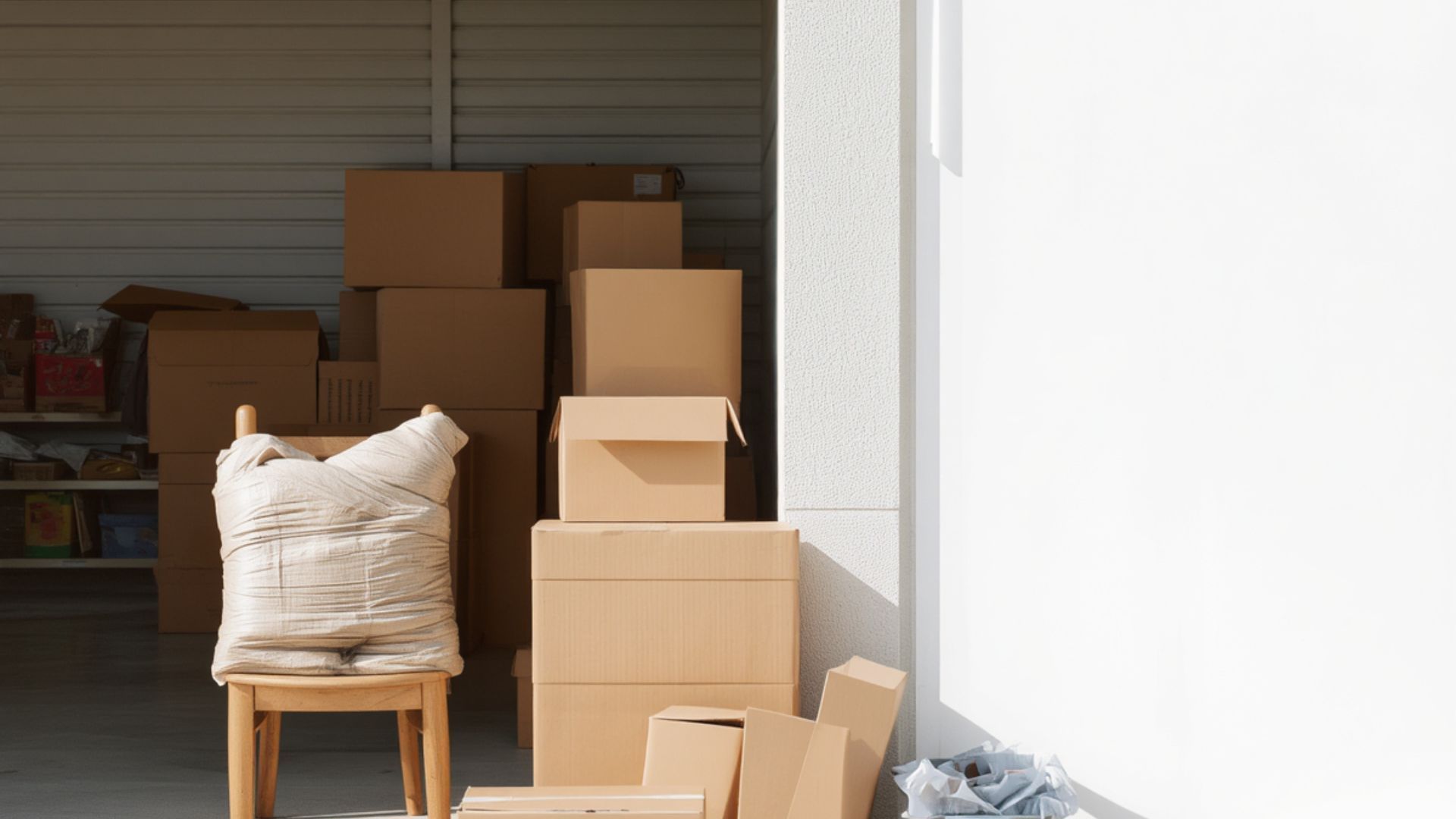
Long-Term Storage: Preserving Items for Extended Periods
Long-term storage allows safely preserving personal possessions, family heirlooms, business archives, and other specialty items for months or years. But without proper preparation, belongings left for extended periods risk deterioration from temperature swings, moisture damage, pests, and normal wear.
Thoughtful planning and proactive measures taken upfront enable keeping stored goods in optimal condition over time. This storage guide from Greylock Storage covers considerations from assessing suitable items to ideal storage environments and specialized packing methods for protection. Follow these essential long-term storage tips for a successful preservation experience.
Assessing Your Storage Needs
Begin by taking stock of which belongings can withstand extended storage periods versus those requiring temperature-controlled conditions. General household goods like off-season clothing, decor, and kitchenware typically handle self storage well. But evaluate if valuables like artwork, instruments, or electronics need added protections.
Also consider any family heirlooms or antiques prone to cracking, warping, or mold that could deteriorate over time. Taking inventory provides insight into specialized steps before packing. You can then determine proper environments and materials to match.
Choosing the Right Storage Environment
For long-term storage, a temperature-controlled unit or facility provides ideal conditions, minimizing risks of damage from temperature and humidity fluctuations. Units that maintain stable, monitored conditions all year long are best suited for long-duration storage needs.
Greylock Storage offers reliable temperature-controlled options to align with preservation requirements for sensitive items like fine art, documents, film reels, musical instruments, antiques, and more. Count on our facilities to keep conditions in the optimal steady range.
Selecting temperature-controlled storage suited for the item types provides essential protection when storing over multiple seasons or years. Don’t cut corners on proper conditions for cherished belongings.
Selecting Appropriate Packing Materials
Packing materials serve as the first defense for shielding stored goods from wear, scratches, moisture, and pests. Use high-quality boxes, wrapping, bubble cushioning, and dividers suited for the items being stored. Sturdy plastic bins also resist exterior elements.
For furniture, wrap in furniture pads or moving blankets then secure with straps before loading into containers. Use wardrobe boxes for hanging clothing storage. Seal electronics in anti-static wrap first, then cushion within boxes.
Get the right container sizes to avoid gaps where items shift and collide. A snug fit surrounded by packing materials keeps everything immobilized. Investing in appropriate long-lasting supplies better preserves contents. Don’t skimp on boxes and wrapping vulnerable to breaking down over time.
Preparing Furniture and Large Items
For furniture and large possessions, disassembling items into components conserves space and prevents damage from shifting. Remove legs, doors, and hardware then wrap securely using moving blankets or furniture pads. Use straps or shrink-wrap to contain all loose parts together.
Place disassembled components compactly into storage containers, leaving no empty space where abrasion can occur. For truly oversized items like mattresses or artwork, look into specialized storage crates designed for odd-shaped goods. Loading efficiently ensures everything fits while protected.
Packing Fragile Items with Care
When packing breakables like glassware, figurines, or china for storage, cushioning and immobilization provides protection. Wrap each piece first in packing paper or bubble wrap with at least 1-2 inches of cushioning on all sides. Use added cardboard inserts between stacked plates and stemware.
Fill excess space inside boxes firmly with packing paper to prevent shifting. Mark boxes containing fragile goods with clear labels like “Glassware – Handle with Care”. Taking time to individually secure delicate contents prevents damage over an extended storage period.
Securing Electronics for Long-Term Storage
Before storing computers, TVs, stereo systems and other electronics long-term, create backups of data and remove batteries when possible. Next, wrap items in anti-static bags or sheeting to prevent static discharge damage.
Cushion electronics gently inside boxes using packing materials on bottom, sides and top. Avoid overpacking heavy items like speakers or appliances in the same box. Use soft wrap on cords to prevent fraying and tangling. Handling devices with care maintains functionality after storage.
Labeling and Organizing Boxes
Create a detailed inventory list of all packed storage boxes and their contents for easy reference. Number and label each box clearly on multiple sides indicating contents for quick identification without opening.
Organize boxes systematically based on priority and frequency of access expected. Position soon-to-be-needed items like holiday décor near the storage unit entrance for convenience. Keeping meticulous organization from the start prevents retrieval headaches.
Pest and Moisture Prevention
Guard packed goods from pest and moisture risks using desiccant packs in boxes to absorb ambient humidity. Cedar planks also naturally deter moths and insects. Maintain cleanliness inside storage units and check for leaks or water intrusion during periodic inspections. Address any infestation signs immediately before extensive damage occurs.
Regular Checkups on Stored Items
Even with thorough preparation, stored possessions require periodic inspection to ensure lasting protection. Schedule checkups every 2-3 months on vulnerable items. Look for pest infestations, water damage, or deterioration issues needing attention like mold growth.
As you inspect, rearrange, refold and repack goods to minimize damage from permanent creases or compression dents. Contact storage facilities right away regarding any concerns to prevent worsening of issues over time. Don’t let items vanish out of sight and mind.
Final Thoughts
Storing personal possessions with an extended timeframe in mind requires diligent preparation tailored to your specific belongings. Assess suitable items, choose ideal controlled environments, invest in quality packing materials, handle fragile goods with care, and stay vigilant through regular maintenance checks.
By following this strategic long-term storage guidance, cherished items remain preserved in optimal condition while safely stowed away. Partnering with reliable storage experts like Greylock Storage also provides peace of mind during extended storage periods. Contact us today to discuss specialized solutions for your long-haul needs!