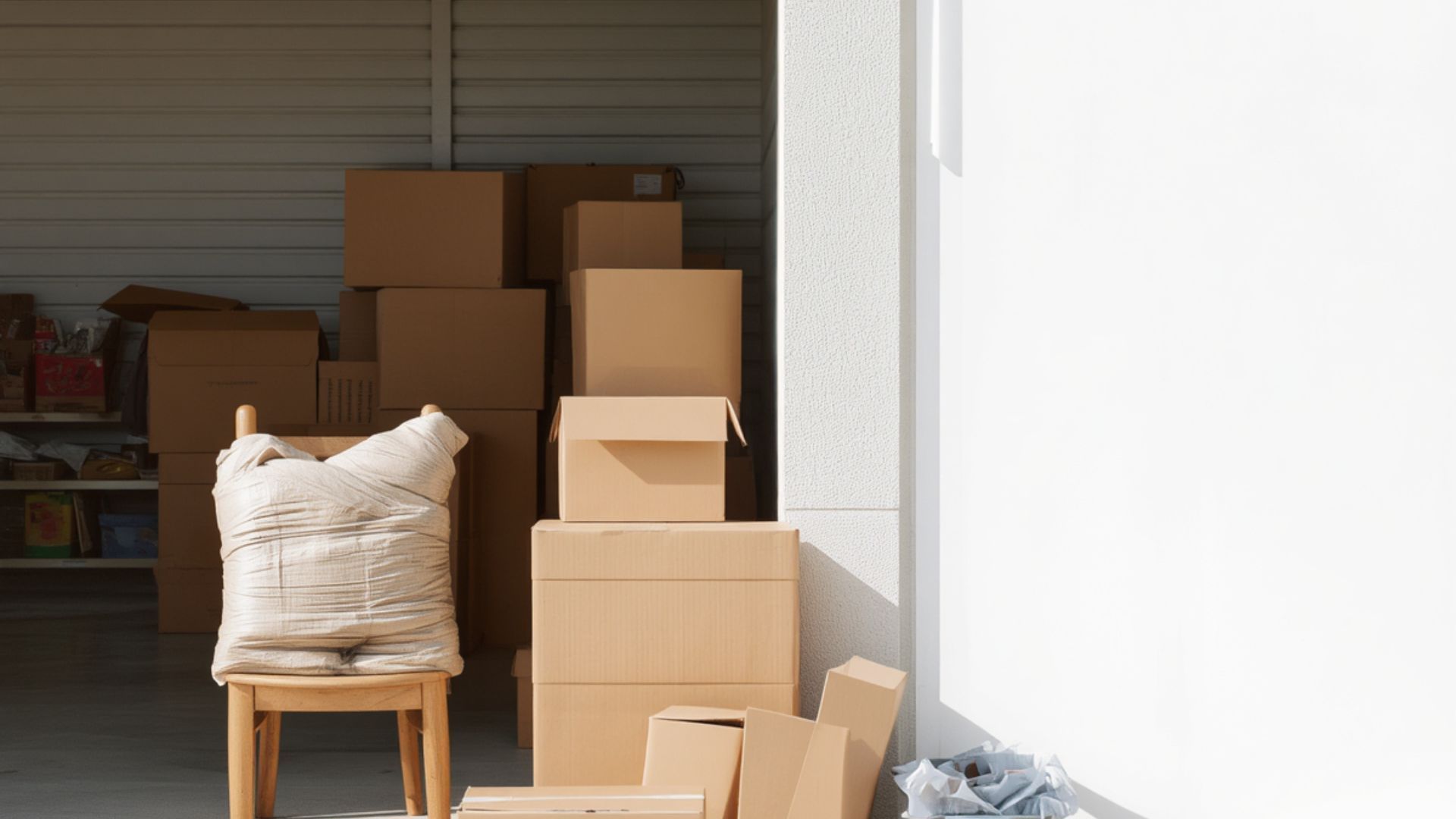
Maximizing Spring Storage: A Guide to Organizing Seasonal Items
As the seasons change, managing storage becomes crucial for keeping our homes organized. This guide focuses on strategies for storing seasonal items, from decluttering to finding the right storage solutions. We’ll discuss how to assess your storage needs, organize items effectively, and select appropriate options like storage units and organizers.
Our goal is to simplify the transition between seasons, ensuring your home remains clutter-free and your belongings are well-preserved. Join us as we explore practical tips for seasonal storage, designed to enhance your living space and streamline your organizational efforts.
Assessing Your Seasonal Storage Needs
The first step in managing your seasonal storage effectively is to pinpoint the items that won’t be in use for the coming months, such as holiday decorations, seasonal apparel, and sports equipment. Identifying these items helps you understand what you’re working with and leads you to the next important phase: calculating the storage space you’ll need. By examining each item’s dimensions and figuring out the best way to store them—be it using bins for hefty winter garments or racks for sports paraphernalia—you can gauge whether your home storage capabilities are adequate or if you need to seek additional options.
Should you find your home lacking the necessary space, considering self storage units becomes a practical solution. Storage units offer a flexible option for those items that are either too bulky for home storage or require specific conditions, such as temperature-controlled environments for temperature-sensitive belongings. This thorough assessment of your storage needs not only ensures that your items are securely housed but also aids in a seamless transition through the seasons, keeping your living space well-organized and clutter-free.
Decluttering and Sorting
Decluttering and sorting your seasonal items enhances storage and retrieval, facilitating smoother transitions between seasons. Start this process by thoroughly reviewing each item to determine what to keep, donate, or discard. Concentrate on the condition and utility of each piece; if it hasn’t been utilized in the last year or is in poor condition, it might be best to part with it. This step not only liberates space but also makes future organization tasks more straightforward.
Once decluttering is complete, organize the remaining items by season. This categorization makes it easier to store and find items when their season returns. Use clear bins or labels to mark each season’s items, ensuring they are stored in an easily accessible manner. For items used across multiple seasons, consider a more general storage area where they can be reached year-round. This method of organizing by season enhances efficiency, reducing the time and effort required to locate and use your seasonal belongings.
Storage Tips for Seasonal Decor
When it comes to storing seasonal decor, finding the right methods can keep your items in pristine condition and ready for their next display. Here are some effective storage options and organization ideas:
- Vacuum-Sealed Bags : Ideal for compressing and protecting soft decorations like seasonal throw pillows and blankets.
- Clear Storage Bins : Use these for easy visualization of contents without opening each box. Group decorations by holiday or season for straightforward retrieval.
- Custom Shelving Units : Allocate space in your garage or attic specifically for seasonal decor. Adjustable shelves can accommodate items of various sizes.
- Label Everything : Clearly mark each bin, bag, or shelf with the season or holiday it corresponds to. This simplifies finding what you need when the time comes.
By employing these storage solutions, you can ensure your seasonal decorations remain organized and accessible year after year. This approach not only saves time when decorating for the next season but also helps maintain the quality and longevity of your cherished items.
Storing Sports Equipment
Storing sports equipment efficiently can help maintain your gear in top condition and ready for action. Here are some strategies to keep everything from bikes to baseball gloves organized and easily accessible:
- Wall-Mounted Racks : Ideal for items like bicycles, skateboards, and ski equipment. They save floor space and keep your gear off the ground.
- Hooks and Pegboards : Use these for hanging smaller items such as helmets, rackets, and gloves. This method makes it easy to see what you have and grab what you need.
- Dedicated Sports Bins : Assign a labeled bin for each type of sport or activity. This is perfect for balls, swimming gear, and smaller equipment pieces.
- Ceiling Storage : Utilize overhead racks for bulky items like kayaks or surfboards. This keeps them out of the way yet still within reach.
Incorporating these storage solutions not only helps in keeping your sports equipment organized but also maximizes your space usage. By creating a designated spot for each item, you’ll streamline your storage system and ensure your gear is always ready for the next game or adventure.
Holiday Item Storage
Storing holiday items carefully is crucial for preserving their condition. To safely store holiday decorations and preserve delicate ornaments and lights, consider these tips: Wrap fragile items like ornaments and figurines in tissue paper or bubble wrap before placing them in sturdy containers to prevent breakage. Divided containers can help keep smaller items organized and minimize tangling of lights and garlands. Store decorations in a dry, temperature-controlled environment to prevent moisture damage, utilizing moisture-resistant containers if necessary.
Label storage boxes clearly to facilitate easy identification of contents. Maximize vertical space by stacking containers or investing in shelving units for efficient storage. By following these strategies, you can ensure your holiday items remain in excellent condition and ready to decorate your home with festive cheer year after year.
Space-Saving Tips
Maximizing storage space can be achieved by focusing on two key approaches:
One effective method involves making use of vertical space. Install tall shelves, wall-mounted racks, or overhead storage units to capitalize on unused vertical areas. By going upwards, you free up valuable floor space while still providing ample storage for seasonal items. Additionally, consider investing in adjustable shelving systems to accommodate items of various sizes efficiently.
Another strategy is to utilize underutilized areas for seasonal storage. Look for spaces such as under beds, staircases, or neglected corners, and utilize storage bins or organizers specifically designed for these spaces. This allows you to store seasonal items conveniently without cluttering primary living areas, maximizing your home’s storage potential.
Temperature-Controlled Storage
Temperature-controlled storage is essential for preserving delicate items like wooden furniture, electronics, artwork, and important documents. These items are vulnerable to damage from temperature and humidity changes. Temperature-controlled facilities offer a stable environment, protecting belongings from extreme conditions and maintaining their integrity.
To find suitable storage solutions, start by researching reputable facilities that provide temperature control. Ensure their systems meet your needs. Consider your items’ specific requirements and choose an appropriately sized unit. Employ proper packing techniques, such as using sturdy boxes and shelving units, to enhance protection. Prioritizing the safety of your valuables ensures peace of mind, knowing they’re stored in a secure, stable environment.
Maintenance and Seasonal Rotation
Ensuring the longevity of stored items involves consistent maintenance and efficient seasonal rotation:
Regular maintenance is crucial for preserving the condition of stored items. Check stored belongings periodically for signs of damage or deterioration. Replace damaged packaging and address any issues promptly to prevent further harm. Additionally, consider using moisture absorbers or silica gel packs to combat humidity and moisture buildup within storage units.
Make sure to efficiently rotate seasonal items by categorizing them based on when they’re used. Label containers or areas for off-season storage, making it simple to find and retrieve items as needed. During rotation, take the opportunity to declutter and assess whether items are still useful. Keeping things organized and staying proactive ensures smooth transitions between seasons, extending the lifespan of your stored belongings.
Final Thoughts
Recapping key storage strategies, it’s vital to assess your needs, declutter, and use the right storage solutions, like temperature-controlled units for sensitive items. These steps ensure your seasonal items are organized and accessible all year.
If you find yourself needing more space, now is the perfect time to act. Explore vertical storage, utilize overlooked areas, or consider renting a storage unit for that extra room. Taking these steps will help you maintain a tidy and spacious environment. With consistent upkeep and strategic seasonal swaps, you can effortlessly navigate between seasons, keeping your belongings in prime condition. Ready to secure extra space? Consider renting a storage unit today and enjoy a seamlessly organized home.
For more information on our storage solutions and how they can meet your seasonal needs, contact us today.