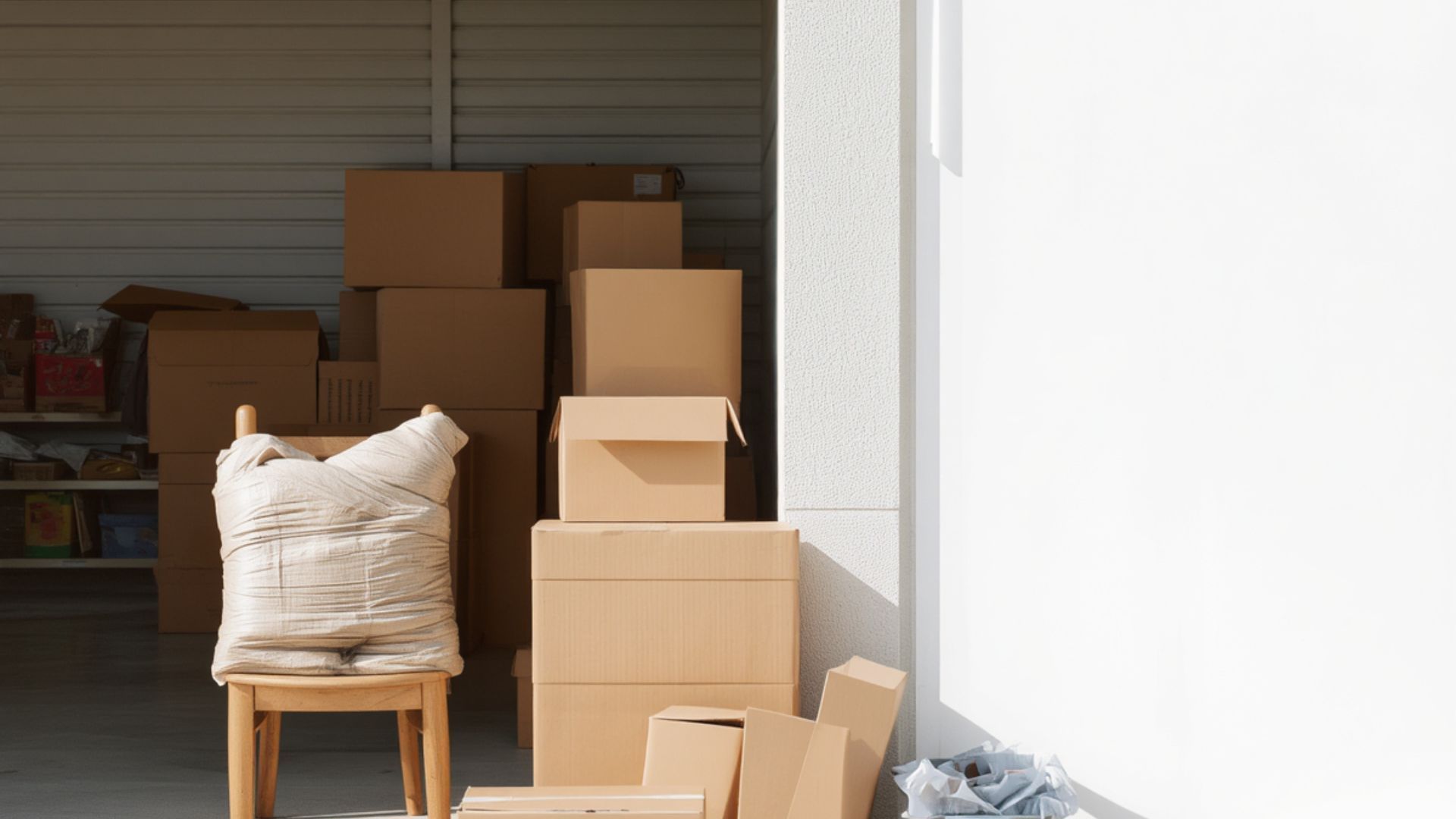
The Role of Storage Units in Home Renovation Projects
Kicking off a home renovation can be thrilling as you imagine the fresh look and feel of your space. However, it’s not just about picking colors and materials; you also face the challenge of where to put all your stuff during the process. The mess and clutter can quickly turn your excitement into stress. Storage units emerge as a smart solution here, offering a safe spot for your belongings and helping to clear the way for the work ahead. In this introduction, we’ll show you how incorporating storage units into your renovation plans can not only protect your items but also make the entire renovation experience smoother and more manageable.
The Benefits of Using Storage Units in Renovation
Renting a self storage unit offers major advantages for anyone undertaking home renovation projects. During intensive construction, upgrades or repairs, storage helps streamline processes to simplify overhauls for both homeowners and contractors. By keeping furnishings, valuables, and non-essential items organized offsite in reservable locker spaces, storage allows project workflows to proceed more efficiently. Additional benefits arise from mitigating workspace hazards, facilitating adaptable timelines, and securing personal possessions away from volatile job sites. Taking the extra step to place items in protected self storage saves major time, energy, space and headaches down the line.
Free Up Space
One of the biggest perks of using storage units during home renovations is freeing up valuable floor space by removing furniture, appliances, and other belongings from the construction zone. Attempting on-site storage crammed into spare bedrooms and garages can severely limit contractor access and flexibility if renovation plans change. Storage facilities provide ample room to neatly contain everything offsite with easy access when items are needed.
Security and Protection
Storage units also provide key security from potential renovation mishaps like water leaks, debris dings, paint splatters, and more by locking away possessions. Sensitive heirlooms, artwork, and electronics stay safely guarded in a temperature-controlled locker as well. Compared to leaving pieces vulnerable on crowded worksites, storage takes worries off your mind. Some facilities even offer insurance options for additional coverage.
Flexibility
With ample storage capacity on hand, it’s easier to adjust if renovation plans shift. Stored belongings can be swapped out as needed without cluttering job sites or interrupting workers. You also avoid moving pieces multiple times between temporary on-site spots.
Efficiency and Organization
Containing all non-essentials in one designated offsite place means cleaner work surfaces for building crews to operate efficiently. Having organized storage makes locating needed items quicker too compared to rummaging through chaotic garages or spare rooms.
Choosing the Right Storage Unit
When selecting a storage unit for a home renovation, take time to carefully evaluate how much physical space you require. Take measurements and photos of furnishings, sporting goods, seasonal items, memorabilia, appliances, electronics, and everything else that must vacate the property during construction. Creating an itemized inventory ensures you rent a unit with sufficient capacity, rather than cramming spaces or needing a second overflow unit. Factor growth room as well in case timelines shift.
Also consider the type of storage needed. For sensitive valuables prone to humidity, extreme temps, or pests, secure temperature-controlled options to protect them. Units with 24/7 monitored access work well for contributors needing to swap tools or materials at odd hours. Drive-up units provide most convenience moving large furniture pieces and un/loading during inclement weather.
Location and accessibility
Look for storage near your neighborhood for fastest access and shortest hauls as renovations progress. Units on routes you normally travel also simplify juggling errands. Check if online booking and contactless access features are available to simplify managing your unit too. While going a bit farther out may save some money, added distance and inconvenience retrieving items can take hidden tolls on time, gas costs, and flexibility of the project. Prioritize easy retrieval above all else.
Preparing Belongings for Storage
Carefully packing items for storage protects them during extended periods of offsite keeping. Use appropriate sized boxes (with lids) for lighter items, cushioning delicate objects with packing paper, towels or clothes for padding. Heavier durable goods like tools or auto parts can be loaded in lidded plastic bins. Wrap any furniture remaining assembled in stretch wrap and blankets to prevent surface scratches. Decide on categories ahead of time to group like-objects together in labelled zones inside your storage unit, designating sections such as: off-season gear, furniture, kitchen, accessories/decor, office, garage/hardware, holiday.
Importance of labeling and creating an inventory
Number boxes and map contents using a corresponding inventory list noting basics like descriptions and quantities along with any relevant serial numbers. This provides proof of ownership if needed while eliminating guessing games down the road about mysteriously vanished items. Keep digital and hard copies of the complete inventory accessible external from storage as well in case a copy gets misplaced during unit transfers.
Labeling everything makes locating specific items in storage much more efficient later, saving headaches and hassle trying to identify ambiguous cardboard cubes and containers. Use bold markers on visible sides and tape an additional paper list on top stating basics like box number, general classification of contents and designated storage zone.
Renovation Supplies and Tools
When storing remodeling materials and hardware, aim for organization systems that provide easy identification and access throughout projects.
How to store renovation tools and supplies efficiently
Group tools together by type, such as electrical, drilling/fastening, cutting, safety gear, routing cables, installation, etc. Use tool cases, shelving racks, peg boards, cabinetry or utility carts to neatly arrange equipment. Label frequently used staples like fastener boxes, commonly swapped drill bits/driver heads, and protective accessories to avoid supply hunts.
Sequester hazardous compounds like solvents, degreasers, acids, sealants into locked metal cabinets labeled as dangerous goods. Place loose materials like lumber, drywall, flooring, insulation and siding carefully on shelves and supports to prevent damaging.
Importance of maintaining an organized workspace
An orderly workspace limits wasted effort locating buried necessities. Categorize contents into logical zones designating areas for: raw materials, fasteners/connectors, chemicals/liquids, tools/equipment, safety supplies, project-specific items and cleaning/maintenance stock. Arrange walkways with clear aisle access points. Maintain accurate location logs of goods and restock as needed. Whether you directly retrieve items or have a helper pull goods, organization streamlines storage functionality.
Accessibility and Convenience
Selecting storage with convenient access proves vital for smooth renovations. Facilities near your neighborhood save substantial drive time and gas costs retrieving items as projects evolve. Temperature-controlled units keep valuables protected year-round if longer duration storage becomes necessary.
Seek month-to-month rental terms without lengthy contracts initially in case scope widens mid-project. Ensure the unit size appropriately fits total contents with room for unexpected additions if delays occur. Also verify any vehicle size constraints for loading/offloading bulkier possessions.
Tips for arranging the storage unit to facilitate retrieval
Strategically structure the interior to best enable access. Place “core” foundation items needed most regularly near the door while situating items only occasionally necessary further back. Group like-categories together in labeled zones with visible markers to enable easy ID and inventory. Maintain wide centralized aisles inside to walk and haul goods. Utilize interior organizational tools like shelves and stackable storage bins appropriately sized for categorized contents.
Map items on an exterior directory near eye-level showing general groupings and coordinate locations inside aided by directional signs on shelving units. Maintain neat ordered appearance for quickest observation and elimination of digging frustrations.
Security Measures
When storing valuables during renovations, selecting facilities with robust security protections brings peace of mind. Look for features like monitored surveillance cameras on grounds and inside buildings, restricted keypad/passcode gate access and steel-reinforced storage construction.
Peace of mind that comes with secure storage
Knowing your irreplaceable heirlooms, cherished furnishings and other priceless possessions stay safely locked away from your construction zone provides comfort. You remove worries about protecting special items from not just theft but also unintended damage from debris, dust, spills or storage mishaps on crammed worksites.
Vetted storage operators with strict security protocols take proven measures so you can focus on your build. Check industry ratings and community reputation to identify security-emphasized providers in your area.
Managing the Storage Timeline
Properly scheduling storage around renovation timelines saves money and headaches.
When first reserving a unit, add extra time as a buffer in case projects run longer than expected from delays. Confirm progress periodically with contractors to estimate realistic end dates for storage. Some facilities offer monthly rental flexibility to extend or downsize units as situations change.
Consider timing factors like furniture removal and returning stored finishing touches to align with the home’s readiness. Schedule reminders for key logistics like target start/end dates, inventory transfers, and final return unloading. Discuss potential payment installment plans or early termination policies for longer contracts if unavoidable initially.
Staying agile as renovations evolve, through open communication and reassessing storage needs, helps everything proceed smoothly from start to finish. Adding cushions then trimming appropriately is better than constant short-term date extensions.
Budget Considerations
Self storage introduces another element for budget planning amid renovations. However, strategic steps provide cost efficiency.
When comparing area storage rates alongside contractor estimates, remember units simply provide temporary offsite shelter, not holistic furniture movers or organizational consultants. The basic walls and roof allowing your stuff to vacate property outweigh headaches of cramped on-site pileups. Factor required unit sizes, projected duration, facility amenities, necessary access and ideal location. Consider insurance riders for prized goods too.
Tips for managing storage costs efficiently
Seek month-to-month or short-term leases first for flexibility to downsize later if possible. Off-peak seasonal specials sometimes offer cheaper plans too. Discuss bundling discounts on moving services required. Split initial payments over installments to mitigate upfront bites if essential. Compare rates annually and negotiate loyalty retention deals. Most facilities want your repeat business. Proper planning streamlines budgets.
Final Thoughts
Using storage units makes home renovations much simpler. By keeping your belongings in a secure offsite facility instead of crowded work areas, storage helps projects run more smoothly from start to finish. Your items will be organized, protected, and easily accessible when needed. Storage can cost a bit upfront but saves money by preventing damage to cherished items like heirlooms. Renting units also adds flexibility to timelines. Whether you need short-term or long-term storage, the right facility helps the renovation process. For your next kitchen remodel, bathroom update, or major home restoration, ensure you incorporate storage into plans.
Rent a storage unit with Greylock Storage so you can focus on enjoying your home renovation rather than juggling cluttered belongings. Our team is ready to discuss affordable storage solutions that fit your needs! Contact us today to learn about convenient rental options tailored to simplify your next remodeling project.